
Community Blog
Reduce, Reuse & Recycle
Greying of New York City, not Greening!
“We need soil and we don’t need to be flaring off food waste. It’s graying instead of greening the city,” said Vandra Thorburn, a member of the Brooklyn Solid Waste Advisory Board and founder of Vokashi.
Hello Friends – In the proposed Mayor Adam’s budget cuts, community composting programs in New York City face the risk of being shut down, as reported by the independent nonprofit newsroom, THE CITY, and an interview with me. This move would result in a significant shift in the way food waste is handled, with most of it ending up as gas or landfill instead of being transformed into nutrient-rich compost.
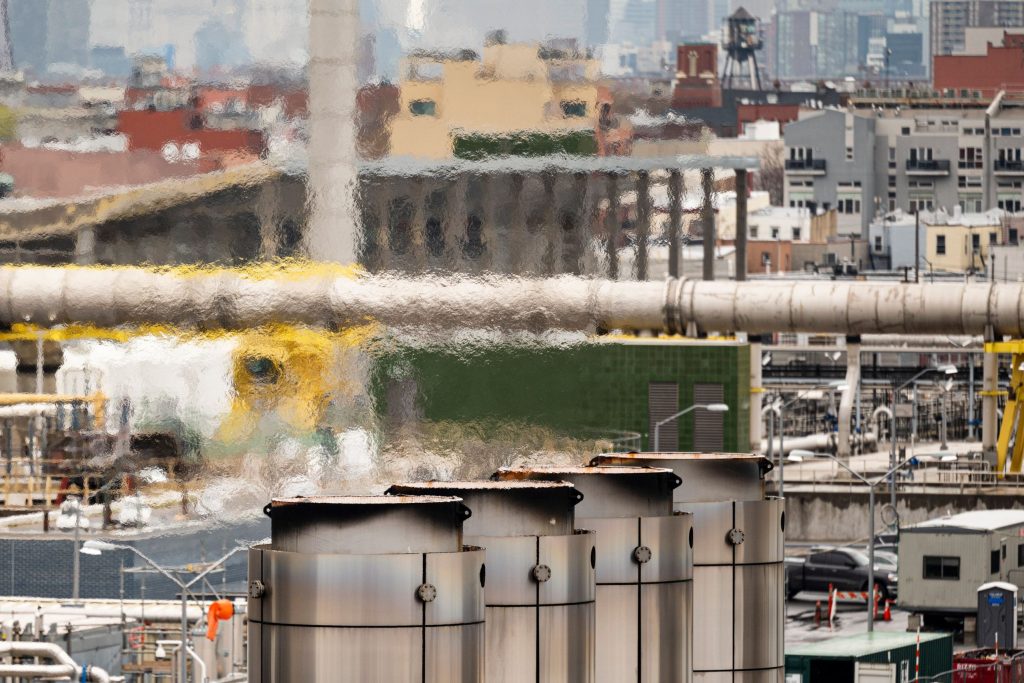
Flare towers at Newtown Creek Wastewater Treatment Plant in Greenpoint on Friday, April 12, 2022. Credit: Hiram Alejandro Durán/THE CITY
 Currently, community compost organizations such as GrowNYC, the Lower East Side Ecology Center, BIG Reuse, Earth Matter NY, and the four botanical gardens collect food scraps from over 200 sites in the five boroughs. These scraps are then locally composted to produce fertilizer and mulch that improves soil health.
However, the Department of Sanitation’s own food scrap collection programs operate differently. In most parts of the city, food scraps collected in orange street corner bins and brown curbside containers are not composted. Instead, they are turned into a slurry and digested at wastewater treatment plants or in western Massachusetts to create energy and farm fertilizer. Unfortunately, this process generates methane gas, a potent greenhouse gas, rather than producing compost.
The proposed budget cuts, if implemented, could result in the closure of community composting programs, affecting over 115 jobs. Organizations like Big Reuse and the Lower East Side Ecology Center would need to shut down some of their composting sites, impeding the expansion of composting infrastructure. Earth Matter NY, which operates composting and educational programs on Governors Island will be losing all four if its paid staff this year. Please sign their petition urging Mayor Adams and Commissioner Tisch to Save Community Composting Now!
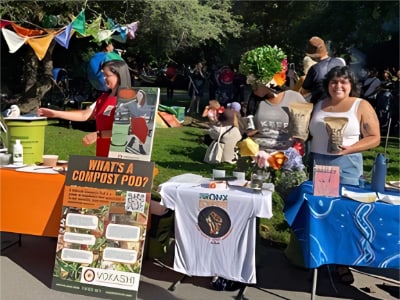 Community composting has numerous benefits, including reducing greenhouse gas emissions and removing food waste from landfills. Additionally, it allows New Yorkers to witness the “magic and power” of composting firsthand, creating a direct cycle of creating and using compost within their community gardens.
The cuts also impact the efforts to provide curbside organic collection services in Staten Island, the Bronx, and Manhattan. In the face of these challenges, the grassroots community is working tirelessly to advocate for the continuation of community composting programs. Their commitment to environmental sustainability and creating a greener city is inspiring, and their efforts will play a crucial role in ensuring the success of composting initiatives.
While the future of community composting programs in NYC remains uncertain, the passion and dedication of these organizations give hope that innovative solutions can be found to preserve the vital practice of composting and its benefits for both the environment and the community.
—
Vandra Thorburn, Founder
VOKASHI – kitchen waste solution
2023 Community Impact Award – NYWIB PitchTank
2021 Citizen’s Committee Grantee
2010 2nd Place PowerUp Competition
vokashi.com
Vokashi
For easy composting at home
The goal Vokashi set out to achieve is to decrease the amount of food that ends up in landfills. Most of us don't think about where our food is going when we throw it in the trash, but food waste makes up about 1/3 of the waste in landfills in the US. That's a lot! Vokashi aims to change that by following a Japanese method of fermenting food waste. Vokashi takes your food waste and uses it in a composting system. There are many benefits to composting, but one of the biggest ones is lowering your carbon footprint by decreasing the amount of food waste in landfills, which reduces methane emissions. If you want to learn more about the process or how to get involved with this company, visit Vokashi.com.