
Community Blog
Reduce, Reuse & Recycle
An Inspiring Letter
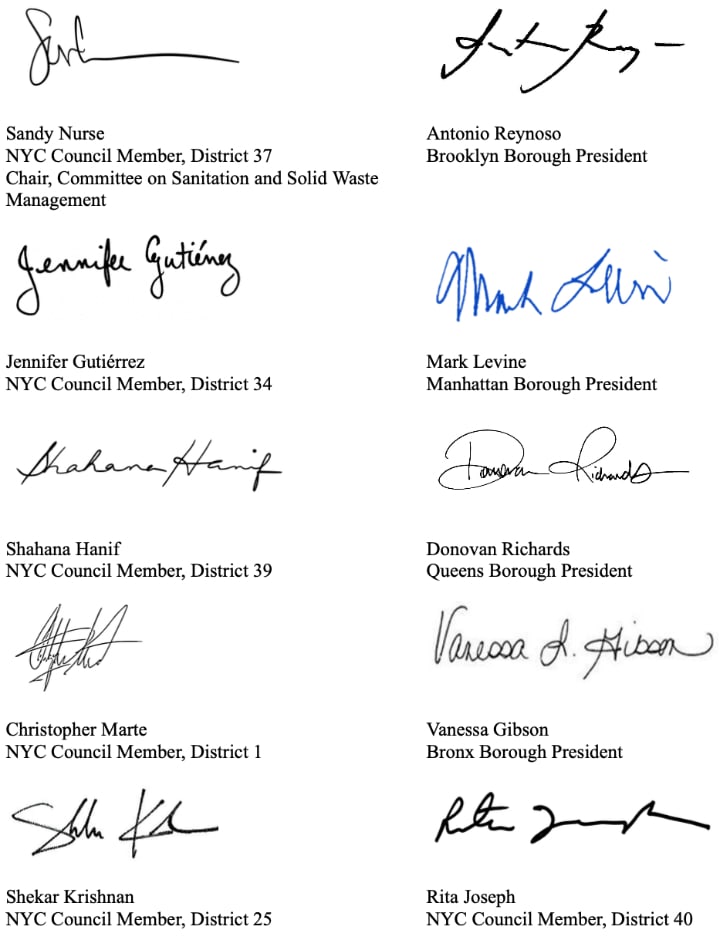
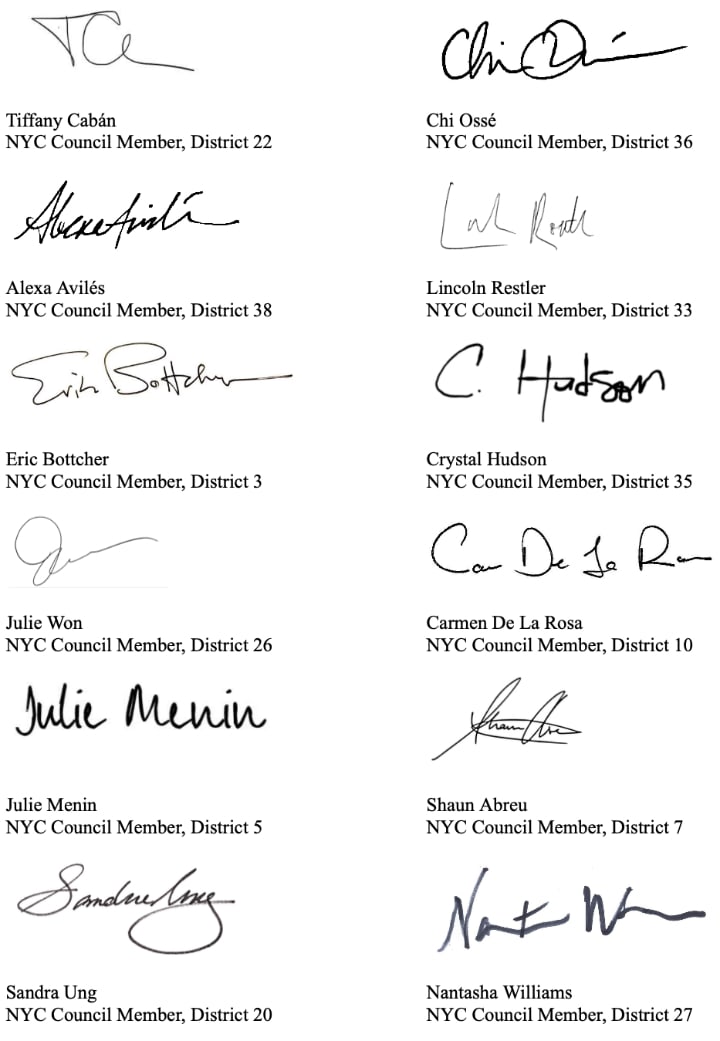
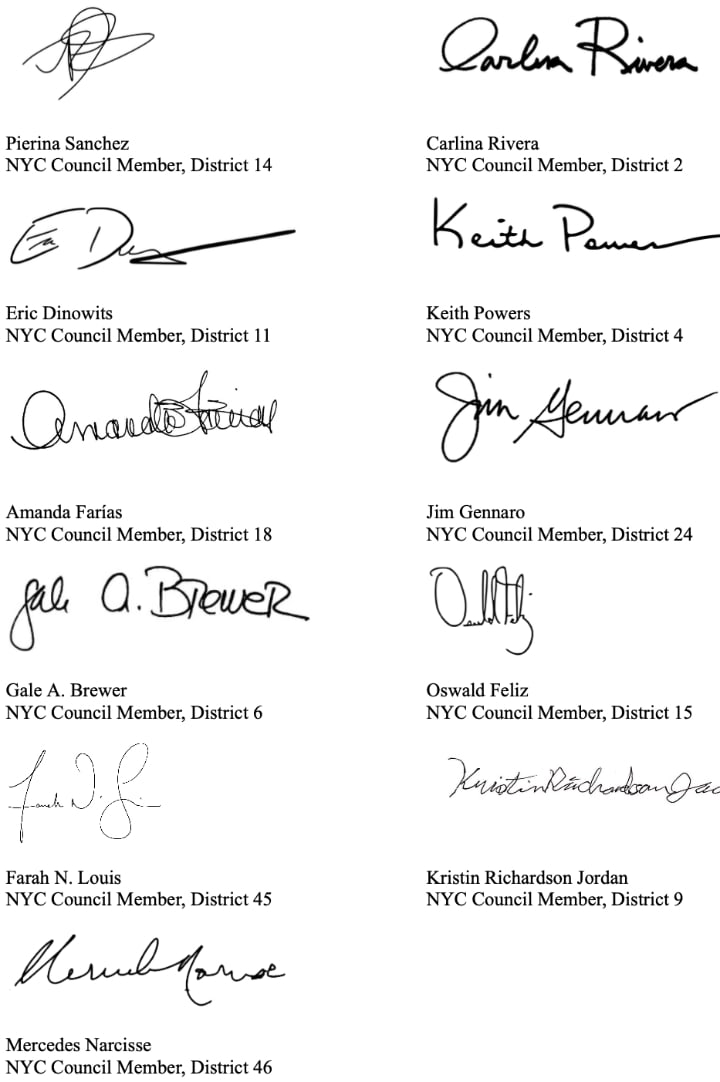
Friends – Here is an inspiring letter from Boro President Reynoso and CM Nurse and dozens of other Council Members to Mayor Adams and Commissioner Tisch. What a great gift to the front line composting community! We have support among our officials and we need to keep the pressure up after the end of year festivities. Please watch this space for next steps.
In the meantime, we wish you all a very Merry Holiday Season and
Many, many thanks for supporting our green service.
Vandra and Wardell
Vokashi – the ecoliving compost collection service

December 19, 2023
Dear Mayor Adams and Commissioner Tisch,
We are writing to express our disappointment with the decision to end community composting in New York City, and to ask the Administration to restore the funding needed to maintain these programs and operations. DSNY has supported the NYC Compost Project for 30 years, but in November, announced that it will defund their community composting partners with almost no notice, no consultation, or assessment of real neighborhood and environmental impacts. We join over 45,000 people who have signed a petition urging the City not to eliminate community composting.
During the City Council’s Oversight Hearing on the Mayor’s November Financial Plan, OMB testified that community composting is “inefficient” and claimed that the partially delayed rollout of curbside organics collection renders community composting unnecessary. Neither is true. In fact, the network of community composting organizations serve as our best asset to increase New Yorkers’ participation in the curbside program and produce valuable local compost.
The community-based compost network includes GrowNYC, Big Reuse, LES Ecology Center, Earth Matter NY, New York Botanical Garden, Queens Botanical Garden, Brooklyn Botanic Garden, and Snug Harbor Cultural Center & Botanical Garden. We cannot underscore the importance of these neighborhood based sites enough, as they provide ongoing access to the hands-on education necessary for a successful citywide curbside organics program. Their accomplishments towards this work include:
Diverting Waste from Landfills: Last year, community composters diverted over 8.3 million pounds of food waste from landfills collected from organic drop-off sites at neighborhood hubs. The community composters then utilize traditional composting methods in localized small-to-mid scale organic waste processing operations. The US EPA rates composting as preferred over anaerobic digestion without beneficial reuse. DSNY must work to catalyze localized composting operations, not defund workers and undo agreements to fund and support larger organic processing sites.
Providing Compost to our Communities: Community composters produce and provide over 1.7 million pounds of compost to nourish our degraded city soils in parks, street trees, rain gardens, school gardens, green spaces, and community gardens to support urban gardening initiatives citywide. This work helps enhance NYC’s urban ecology.
Creating Green Jobs: Community composters have fostered the growth of green careers rooted in nature and sustainability. The Save Our Compost Coalition estimates that 115 people will lose their jobs due to these budget cuts. While philanthropic support has provided temporary relief, there are still over 50 jobs at-risk this fiscal year and more the next. New York City can and must do more to support the growth of green jobs in the five boroughs.
Educating Youth and the Public: The NYC Compost Project workers conduct outreach and education about composting, including tabling and door-knocking, workshops, classes, and the Master Composter Certificate Program. Many of the organizations also provide youth education programs, which will be jeopardized by these budget cuts. These organizations conduct outreach to over 225,000 New Yorkers annually to encourage and support them to compost their food waste.
In the scale of the City’s annual budget, the remaining FY24 budget gap and full $5 Million in FY25 is a drop in a very large bucket. However, this investment has an outsized impact on our Zero-Waste Act goals and our ability to educate New Yorkers about sustainable practices. Please reconsider this decision and restore the cuts to community composting today.
Sincerely,
Vokashi
For easy composting at home
The goal Vokashi set out to achieve is to decrease the amount of food that ends up in landfills. Most of us don't think about where our food is going when we throw it in the trash, but food waste makes up about 1/3 of the waste in landfills in the US. That's a lot! Vokashi aims to change that by following a Japanese method of fermenting food waste. Vokashi takes your food waste and uses it in a composting system. There are many benefits to composting, but one of the biggest ones is lowering your carbon footprint by decreasing the amount of food waste in landfills, which reduces methane emissions. If you want to learn more about the process or how to get involved with this company, visit Vokashi.com.